Pregnancy & Chiropractic

Chiropractic care can be instrumental before, during, and after pregnancy to maintain a well functioning nervous system for the mother and the baby to prepare for a successful pregnancy. Many times pregnancy discomforts are assumed to be a part of the process, but there is no need to suffer. Chiropractic offers a safe, gentle, hands-on approach to combat pregnancy difficulties, such as nausea, heartburn, constipation, back pain, pubic pain, and others. Being under regular chiropractic care will allow for a subluxation-free pregnancy without joint and nerve dysfunction, allowing the body to transition through the stages of pregnancy and prepare for a successful birth experience with a properly aligned spine.

Here are some tips on keeping the spine in a good and healthy shape with a lower risk of injury to abdominal and pelvic musculature as well as the spine and pelvis:

When sitting up from a lying position: Bend the knees, roll over to one side, and push up with the arms, instead of using, and possibly straining abdominal muscles.

When standing: Keep the knees unlocked. Do not push the tummy forward with the hands on the hips. Wear comfortable, supportive shoes and refrain from wearing high heels. Before standing up, make sure to maintain full contact with the ground by placing your feet firmly first. If twisting the body, move the whole body starting with the feet. Avoid carrying other young children whenever possible to decrease the risk of abdominal injury. If standing for extended time period, place one foot on a small box or something similar to reduce the pressure, and possible pain, on the low back; and switch legs often.

Maintaining a healthy spine during the pregnancy is extremely important.

Exercise: Perform regular moderate cardio- and strength-training routine. Keep the pelvic floor muscles strong. Stretch gently every day. Develop a breathing routine, especially concentrating on the lower abdomen and if stressed. Do prenatal yoga to strengthen your muscles, practice breathing, and cultivate a sense of calm. Swim for non-weight-bearing exercise to make it easier on the joints.

Sleep: Place a pillow between the knees and another at the breast level to support the upper body without introducing rotation in the upper portion of the spine.

Allow proper rest and relaxation: Schedule a prenatal massage as often as possible. Avoid lifting heavy objects by asking for help. Do more yoga. Meditate.

Maintain a regular spinal check-up schedule with your local chiropractor for some remarkable benefits:

  • Less back pain
  • Less discomfort in carrying the baby in the third trimester and during the delivery
  • Significantly reduced labor times
  • Decreased need for painkillers
Chiropractic aids in correcting body’s imbalances, evident in misalignments and overcompensations in posture. The presence of these misalignments,  vertebral subluxation, will interfere with the nervous system’s ability to communicate with the body through distorted brain messages. Allowing the nervous system to meet its challenges with less overall stress will be able to improve the chances of healthier pregnancy naturally. Improving health and well-being from inside out through chiropractic as well as proper nutrition and movement, will help you make significant strides to prepare the body for the New Life.

Have additional questions? Contact below in comments, at drtijana.dc@gmail.comWebsiteFacebook, or Twitter!

Be healthy & happy, Dr. Tijana

If you do not already have a local chiropractor, call Dr. Tijana at 706.254.4579 to schedule your first appointment for YOU & YOUR FAMILY for a comprehensive health assessment TODAY!

“Why Chiropractic Care for Kids?”

Learn when and why you should start your children under chiropractic care!

Video of Dr. Claudia Anrig (ICPA): Chiropractic and how it fits into the wellness lifestyle for today’s families.

Guess what?! You can start your child on the read to health and wellness even in utero! Chiropractic offers a gentle and safe approach to an optimally functioning nervous system and a life of health and wellness!

Don’t have a local chiropractor! Call Dr. Tijana at 706.254.4579 to schedule your first appointment for YOU & YOUR FAMILY for a comprehensive health assessment TODAY!

Have additional questions? Contact me below, at drtijana.dc@gmail.comWebsiteFacebook, or Twitter!

Be healthy & happy, Dr. Tijana


Pregnancy Nutrition for Baby & Mommy

For many women, and even their partners, pregnancy may be a time to develop healthier eating habits, for the benefits of the mother and the child. Including more nutrient-dense foods and cutting out caffeine and junk food is usually a good way to start. Here is a list of helpful suggestions on what to include and what to avoid in terms of diet in order to optimize the health of the mother and child throughout and following the pregnancy:
Nutrient-dense foods are needed for the growth and development, which includes essentials, such as protein, calcium, omega-3s, iron, B vitamins (folate), vitamin C, fiber, zinc, and magnesium.
  • Protein as building blocks for the mother’s growing body and the baby’s development (recommended 70 g/day):
    • Good choices: grass-fed lean meats; plant-based protein, such as quinoa and nut butters; eggs; beans, nuts, and legumes
  • Iron to accommodate for increased blood volume, higher production of hemoglobin, proper blood supply for the placenta, and cognitive development for the baby (recommended 27 g/day)
    • Good choices: spinach; beans; legumes; dark green leafy vegetables; grass-fed lean meats
  • Calcium for proper bone development (recommended 1000 mg/day):
    • Good choices: yoghurt with live cultures; nuts & seeds (sesame seeds); other dairy products in moderation (look for grass-fed options)

  • Omega-3s  & omega-6s fats (DHA & EPA) for development of brain, nervous system, eyes, placenta, and overall tissue growth (recommended 30-40 g/day:
    • Good choices: avocados; nuts & seeds; olives; cold-pressed oils (e.g. olive, grapeseed, flaxseed, sunflower, and coconut oils)
    • Because mercury crosses the placenta, it is important to eat fish low in mercury exposure: herring, rainbow trout, wild-caught salmon, sardines, and whitefish. Fish should not be eaten raw!
  • Vitamin B‘s, specifically folic acid, to prevent neural tube defects of the spinal cord & brain (recommended 400 mcg/day):
  • Vitamin C for proper development of teeth, bones, and connective tissues, and it aids absorption of iron (recommended 85 mg/day & breastfeeding women 120 mg/day)
    • Good choices: dark green leafy vegetables; guava; peppers; kiwi; citrus fruits; strawberries; Brussels sprouts; cantelopes
  • Water for increased demand on the body, enough hydration, increased blood volume and healthy blood cells, breast milk production, and keeping the body at the optimum temperature (especially important during the hot summer months)
    • Dehydration can lead to headaches, nausea, cramps, dizziness, edema, and preterm labor in the third trimester; can relieve symptoms of morning sickness, indigestion, and heartburn; prevent urinary tract infections, hemorrhoids, and constipation.
    • Quick test: check your urine for color, which should be pale. If it’s dark, drink more water.
    • How much is enough? Ideally, drinking half the body weight in ounces should be sufficient, which will change as the weight of the baby increases.

Weight gain can be a slippery slope during pregnancy. It is only necessary to eat an additional 300 calories a day, mostly in second and third trimester. Excess weight gain can be associated with serious medical conditions:  gestational diabetes, pregnancy-induced hypertension, longer labor times, and increased chance for medical interventions, such as induced labor and Cesarean section.

Daily prenatal vitamin and mineral supplements are a way to add a few missing ingredients, as most people do not get all the nutrients from food we eat. Researching a supplement that contains 100 to 200 percent of the recommended dietary intakes for vitamins and minerals would be ideal.

Remember to enjoy life and the foods you eat. There is no need to deprive or limit yourself, but it is important not to overindulge in foods that are not high in nutrition. This can be especially tricky if you are experiencing food cravings as the hormones are somewhat unstable. It is also important to maintain a modified exercise schedule throughout the pregnancy, (e.g. walking, swimming, yoga, etc.), as well as a regular chiropractic adjustments to remove subluxations, maintain proper spinal and pelvic alignment during a time of significant postural changes, and allow for overall good health!

All of the food choices and habits should involve safe, low bacteria foods for the optimum health benefit of the mother and the baby. Therefore, keep in mind the following practices:

  • Read labels on every processed product.
    • Avoid additives, sugar, artificial anything. Rule of Thumb: If you cannot recognize the food or pronounce it, don’t eat it!
  • Avoid undercooked meatsby eating meat well done.
    • Consider the same principle for deli meats due to the possible presence of listeria bacteria. If you have to have it, consider a heated sandwich to kill unwanted microorganisms.
  • Avoid raw and smoked fish due to high risk of food-poisoning-causing bacteria and mercury exposure.
  • Avoid raw eggs due to salmonella exposure in dressings and homemade mayonnaise.

  • Avoid unpasteurized foodsand drinks by making sure that the process of pasteurization is heated to a temperature that will kill present microorganisms.
    • This includes soft cheeses that may contain the bacterial listeria: bleu cheese, camembert, feta, brie, and Mexican-style cheese like the three quesos (blanco, fresco, and decrema)
  • Avoid artificial sweeteners, as many of them are overly chemically processed and are not safe for pregnant women, or anyone else, for that matter. Choose a natural source of sweeteners, if necessary, like raw honey or even sugar in the raw.
    • Back to the previous Rule of Thumb: avoid anything artificial due to the extensive chemicals involved.
  • Try herbal teaswith no caffeine or decaffeinated as a soothing beverage, but exercise caution.
    • Opt for smaller amounts of teas made from ginger, lime blossom, peppermint, roasted barley, rose hips, and thyme.
    • Avoid  anise, catnip, chamomile, comfrey, ephedra/ma huang, European mistletoe, hibiscus, horehound, Labrador, lemongrass, licorice root, mugwort, pennyroyal, raspberry leaf, rosemary, sage, sassafras, stinging nettle leaf, vetiver, and yarrow.

Even though, these lists may seem daunting and extensive, it is a short period of time to be mindful of what is the best for the child and the mother. Baby’s nutrition begins in utero, allowing the best possible start into the world with the best ingredients and a hefty dose of love!

Have questions? Contact me here, at drtijana.dc@gmail.comFacebook, or Twitter!

Be healthy & happy, Dr. Tijana

SCHEDULE THE FIRST APPOINTMENT FOR YOU & YOUR FAMILY for a comprehensive health assessment TODAY at 706.254.4579!

Chiropractic for Ear Infections

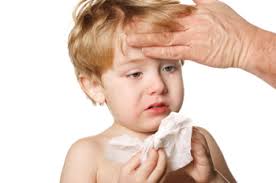
One of the most common problems in the pediatric population are ear infections (otitis media). Middle ear inflammation is the accurate description as there is no actual infection present, in most cases.   Almost half of all children will have at least one middle ear infection during their first year, and by age three, over two-thirds of all children will have had at least one middle ear infection.

Symptoms include more obvious and some more subtle signs:

  • Ear pain
  • Fever
  • Irritability
  • Dizziness, in older children
  • Low appetite
  • Less than normal activity
  • Shaking the head
  • Pulling on the ear
  • Crying

Causes of ear infections can be complex and multifaceted, including allergy, infection, mechanical obstruction, and nutritional deficiency.

Allergy

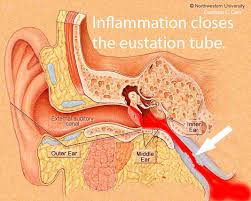
Many cases of chronic ear infections are due to food or airborne allergies or hypersensitivity reactions. Allergies can cause significant pressure changes within the middle ear, as well as obstruction of the Eustachian tube. The most common allergens implicated in ear infection are cow’s milk and dairy productswheat, eggs, chocolate, citrus, corn, soy, peanuts or other nuts, shellfish, sugar, and yeast. Dairy is the number one contributor to childhood ear problems. Proper allergy management, such as elimination and rotation diets, can produce dramatic recovery in allergic children with chronic ear infections.
Infection

If immune function is lowered for any reason, bacteria or viruses from the nose or throat can find their way into the middle ear and contribute to an ear infection. When these germs multiply, pus builds up behind the eardrum and increases the pressure, which leads to pain and swelling in the ear. Often a common cold with a stuffy, runny nose or a cough precedes the ear infection.

Mechanical Obstruction

The obstruction of the Eustachian tube can be due to a mechanical misalignment. This blockage is due to problems of the structural components around the ear and eustachian tube, including the bones of the jaw, skull and neck, which move gently in synchronization with one another. The movement of these bones allows for the proper movement of the fluids in the head, including the fluids connecting between the sinuses, Eustachian tubes and ears. Many things can change the proper movement of the bones in the head, including falls, recurrent infections, and the trauma of birth (especially if tools were used).

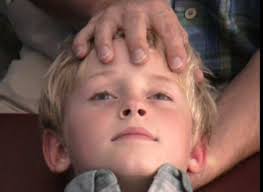
Since an ear infection contains fluid that accumulates behind the ear drum, gentle movement of the bones of the head to allow drainage of the fluid can prevent and cure such an infection. Craniosacral work is the gentle movement of the bones of a child’s head and sacrum. Using craniosacral work for treatment and prevention of ear infections is especially helpful. Seek out a pediatric chiropractor, who specialize in cranial work for your child.
Nutritional Deficiencies

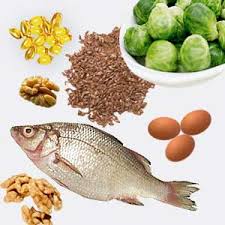
An organic, unprocessed, whole foods dietlow in sugar, is essential for creating good health with high immune function. Dietary fats, such as Essential Fatty Acids (EFAs), are essential to normal immune and nervous system function, while reducing the predisposition to recurrent infections and inflammatory conditions. Essential fatty acids are found in flax oil, evening primrose oil, borage seed oil, krill oil, and fish oil. This should ideally be started by the mother while she is pregnant and during breast-feeding. One or two teaspoons per day of flax oil, depending on age, may be all the child needs.

Deficiency of certain vitamins or minerals can weaken a child’s immunity. It is valuable to give children a good multivitamin and mineral supplement. Vitamin C, vitamin A, and zinc are essential to the immune system, protecting against ear infection, and the conversion of fatty acids, respectively.

Supplementation of the diet with intestinal bacteria is important to healthy immunity, especially if a child has been on antibiotics. L. acidophilus is recommended for children over age seven, and B. bifidus for children under seven.

Breastfeeding is important to ensure that a child has a healthy immune system. Mother’s milk contains all the immune protecting complexes the child needs. Also, the sucking action required to breastfeed also helps the Eustachian tubes open and close, which makes a difference in the frequency that a child is likely to get ear infections.

Antibiotics and Other Medications

Ear infections are rarely an emergency and usually will get better without antibiotic treatment, which is what is typically prescribed. A reasonable approach in treating a child with an ear infection, who is otherwise healthy, is to wait four days and see if the body will recover without antibiotics. If after four days, the infection has not gone away, antibiotics may make a difference. Keep in mind that if an allergic child continues to be exposed to an allergen, or if the main cause is not resolved, recurrent infections are likely.

From the perspective of the whole person, giving medications to block and suppress an illness can push the illness further into the body. Anti-inflammatory drugs block the formation of some chemicals that promote inflammation, while also blocking chemicals that naturally prevent inflammation, as well as trigger the release of substances that make inflammation worse.

Prevention Options

Lifestyle habits make a significant difference in recurrent ear infections:

  • Allergens: Remove food allergies and hypersensitivities.
  • Positioning: A child should not lie down on his or her back to drink a bottle or feed, to be less likely to push fluids into the Eustachian tube.
  • Breastfeed as much as you can, even more during a symptomatic period of earaches.
  • Utilize nutritional supplements: EFAs, vitamin C & A, zinc.
  • Probiotics to promote healthy intestinal bioflora.
  • Consult with your holistic physician about use of antibiotics.
  • Consult your pediatric chiropractor about gentle craniosacral work.

Have questions? Contact me here, at drtijana.dc@gmail.comFacebook, or Twitter!

Be healthy & happy, Dr. Tijana

SCHEDULE THE FIRST APPOINTMENT FOR YOU & YOUR FAMILY for a comprehensive health assessment TODAY at 706.254.4579!

Chiropractic & Childhood Trauma

We’ve discussed why healthy children should be adjusted in a previous blog post. The answer is simple: to keep their nervous system functioning at the optimum level without any interference or distress. Chiropractic throughout pregnancy, birth, and childhood can be instrumental in laying a foundation for life-long health and wellness as it offers better choices for overall lifestyle.

The nervous system is the master controller in the body, contained within the spine and skull, and if its communication pathways (nerves) become distorted, they may result in an ineffective neural input and output. So if the spine is the area of nerve distress then the body is unable to operate smoothly. Chiropractors focus on removing the physical, chemical, and emotional stressors to ensure the nervous system works efficiently and effectively.

“The school of the hard knocks”

Some of these physical stressors in a child’s body can happen from small and large knocks and falls that will affect the child’s health. According to the National Safety Council, by the age of 7, a child will have fallen around 2500 times; and prior to turning 3 years of age (a critical period of brain development), nearly 50% of children have fallen head-first from a high place, such as a bed, a changing table, and a flight of stairs. Unfortunately, the resilience of children at a young age can make immediate symptoms less noticeable to an untrained eye; however, spinal health may have been compromised during these falls that leads to postural, immune, and neurological dysfunction over time as it will affect the structure and function of the whole nervous system.

Children with postural abnormalities, weakened immune system, and compromised neural communication due to undetected and uncorrected spinal injury may suffer from the following subtle symptom manifestations below, which can all lead to health problems later in life:

  • Colic
  • Irritability
  • Inability to suckle and breastfeed
  • Poor sleeping habits
  • Developmental delays
  • Digestion issues
  • Asthma
  • Behavioral problems
  • Low energy
  • Inability to concentrate
  • Headaches
  • And more…

So what exactly happens during a slip or a fall?!

When the child’s body is abruptly jarred in an accident, the muscles that protect the spine and skull automatically contract in order to keep the brain and the nervous system safe, which includes the muscles that attach to the nerve coverings themselves. This jarring motion will tension and subluxate (misalign)  the spine and all of its attached muscles and ligaments in the process, which will affect the nervous system input and output. A subluxated spine, whether large or small, will result in altered structure and function, changing the way the body is able to behave, feel, and think.

Common times for injuries

The birth process: Stress and strain during birth in the upper neck muscles (suboccipitals) in newborns, which can effect the function of the brain stem. In addition, poor handling of babies, development of proper head support, learning to sit up, crawl, stand, and walk can also create spinal and nerve distress during the first year of life.

Playground, preschools, daycare centers in the early childhood up to the age of 5.

Schools and childhood activities, such as sports, bicycles, playgrounds, skateboarding, slides, rollerblading, and horseback riding from age 5 to 8.

Patient in my office, who has been under care 2 weeks after conception

Child’s greatest health asset

As you understand the importance of an optimally functioning nervous system, it make sense that all children, with or without any evident symptoms, deserve a well-adjusted, subluxation-free spine and nervous system. Chiropractic is gentle, safe and effective for children of any age with outstanding benefits, such as:

  • Maximizing the child’s brain plasticity and neural development
  • Enhancing the child’s overall health and well-being
  • Strengthening the immune system for a reduction of incidence of colds, earaches and general illness
  • Helping with colic and irritability
  • Helping with breathing difficulties, asthma, and allergies
  • Influencing postural changes
  • Improving the child’s ability to concentrate
  • Reintegrating the nervous system to assist with behavioral disorders and emotional stress and anxiety
  • Alleviating bed-wetting and digestive problems
  • Improving sleep issues

Incorporating chiropractic care will become an important part of a healthy lifestyle for the whole family.

Consider consulting with a local Doctor of Chiropractic on how to enhance your child’s health with an optimally functioning nervous system without interference or distress.

Have questions? Contact me here, at drtijana.dc@gmail.comFacebook, or Twitter!

Be healthy & happy, Dr. Tijana

SCHEDULE THE FIRST APPOINTMENT FOR YOU & YOUR FAMILY for a comprehensive health assessment TODAY at 706.254.4579!

Chiropractic for Healthy Children

“Why do healthy children get adjusted?” is not an uncommon question I am asked. The answer is simple: to keep their nervous system functioning at the optimum level without any interference or distress.

The nervous system is the master controller of our body and if its communication pathways become distorted, they may result in an ineffective neural input and output. These communication errors may be manifested as:

  • Colic
  • Irritability
  • Inability to suckle and breastfeed
  • Poor sleeping habits
  • Developmental delays
  • Digestion issues
  • Asthma
  • Behavioral problems
  • Low energy
  • Inability to concentrate
  • Headaches
  • And more…

Whatever the symptoms may be, it indicates that the nervous system does not have the  inability to self-regulate the bodyand function at a peak level. So whether you have a large spine or a tiny little spine, if that spine is creating nerve distress then the body is unable to operate smoothly. Chiropractors focus on ensuring the nervous system works efficiently and effectively by removing the physical, chemical, and emotional stressors.

These stressors insult the body’s ability to express its health and occur in form of vertebral subluxations. These lifestyle stressors may be:

  • Bad posture
  • Prolonged postures
  • Tummy sleeping
  • Falls and/or physical trauma
  • Poor food choices
  • Dehydration
  • Exposure to chemicals and toxins
  • Emotional stress and anxiety

In some cases, the insults may start early in development while in-utero from exposure to toxins and/or by being restricted within the uterus and unable to freely move about. Subluxations often occur with long labors, very fast labors, births where instruments may have been used (ex. forceps and vacuum), and is surprisingly frequently with Cesarean births.

Now that you have an appreciation for the importance of the nervous system and how it affects the whole body, it does make sense that all children, with or without any evident symptoms, deserve a well-adjusted nervous system and spine. Incorporating chiropractic care will become an important part of a healthy lifestyle for the whole family.

Additional benefits of chiropractic care for children:

  • Maximize the child’s brain plasticity and neural development
  • Enhance the child’s overall health and well-being
  • Strengthen the immune system for a reduction of incidence of colds, earaches and general illness
  • Help with colic and irritability
  • Help with breathing difficulties, asthma, and allergies
  • Influence postural changes
  • Improve the child’s ability to concentrate
  • Reintegrate the nervous system to assist with behavioral disorders and emotional stress and anxiety
  • Alleviate bed-wetting and digestive problems
  • Assist with sleep issues

An optimally functioning nervous system is your child’s greatest health asset.


Have questions? Contact me here, at drtijana.dc@gmail.comFacebook, or Twitter!

Be healthy & happy, Dr. Tijana

SCHEDULE THE FIRST APPOINTMENT FOR YOU & YOUR FAMILY for a comprehensive health assessment TODAY at 706.254.4579!

Ear Infections

One of the most common problems in the pediatric population are ear infection (otitis media). Middle ear inflammation is the accurate description as there is no actual infection present, in most cases.   Almost half of all children will have at least one middle ear infection during their first year, and by age three, over two-thirds of all children will have had at least one middle ear infection.

Symptoms include more obvious and some more subtle signs:

  • Ear pain
  • Fever
  • Irritability
  • Dizziness, in older children
  • Low appetite
  • Less than normal activity
  • Shaking the head
  • Pulling on the ear
  • Crying

Causes of ear infections can be complex and multifaceted, including allergy, infection, mechanical obstruction, and nutritional deficiency.

Allergy

Many cases of chronic ear infections are due to food or airborne allergies or hypersensitivity reactions. Allergies can cause significant pressure changes within the middle ear, as well as obstruction of the Eustachian tube. The most common allergens implicated in ear infection are cow’s milk and dairy products, wheat, eggs, chocolate, citrus, corn, soy, peanuts or other nuts, shellfish, sugar, and yeast. Dairy is the number one contributor to childhood ear problems. Proper allergy management, such as elimination and rotation diets, can produce dramatic recovery in allergic children with chronic ear infections.

Infection

If immune function is lowered for any reason, bacteria or viruses from the nose or throat can find their way into the middle ear and contribute to an ear infection. When these germs multiply, pus builds up behind the eardrum and increases the pressure, which leads to pain and swelling in the ear. Often a common cold with a stuffy, runny nose or a cough precedes the ear infection.

Mechanical Obstruction

The obstruction of the Eustachian tube can be due to a mechanical misalignment. This blockage is due to problems of the structural components around the ear and eustachian tube, including the bones of the jaw, skull and neck, which move gently in synchronization with one another. The movement of these bones allows for the proper movement of the fluids in the head, including the fluids connecting between the sinuses, Eustachian tubes and ears. Many things can change the proper movement of the bones in the head, including falls, recurrent infections, and the trauma of birth (especially if tools were used).

Since an ear infection contains fluid that accumulates behind the ear drum, gentle movement of the bones of the head to allow drainage of the fluid can prevent and cure such an infection. Craniosacral work is the gentle movement of the bones of a child’s head and sacrum. Using craniosacral work for treatment and prevention of ear infections is especially helpful. Seek out a pediatric chiropractor, like Dr. Tijana, who specialize in cranial work for your child.
Nutritional Deficiency

An organic, unprocessed, whole foods diet, low in sugar, is essential for creating good health with high immune function. Dietary fats, such as Essential Fatty Acids (EFAs), are essential to normal immune and nervous system function, while reducing the predisposition to recurrent infections and inflammatory conditions. Essential fatty acids are found in flax oil, evening primrose oil, borage seed oil, krill oil, and fish oil. This should ideally be started by the mother while she is pregnant and during breast-feeding. One or two teaspoons per day of flax oil, depending on age, may be all the child needs.

Deficiency of certain vitamins or minerals can weaken a child’s immunity. It is valuable to give children a good multivitamin and mineral supplement. Vitamin C, vitamin A, and zinc are essential to the immune system, protecting against ear infection, and the conversion of fatty acids, respectively.

Supplementation of the diet with intestinal bacteria is important to healthy immunity, especially if a child has been on antibiotics. L. acidophilus is recommended for children over age seven, and B. bifidus for children under seven.

Breastfeeding is important to ensure that a child has a healthy immune system. Mother’s milk contains all the immune protecting complexes the child needs. Also, the sucking action required to breastfeed also helps the Eustachian tubes open and close, which makes a difference in the frequency that a child is likely to get ear infections.

Antibiotics and Other Medications

Ear infections are rarely an emergency and usually will get better without antibiotic treatment, which is what is typically prescribed. A reasonable approach in treating a child with an ear infection, who is otherwise healthy, is to wait four days and see if the body will recover without antibiotics. If after four days, the infection has not gone away, antibiotics may make a difference. Keep in mind that if an allergic child continues to be exposed to an allergen, or if the main cause is not resolved, recurrent infections are likely.

From the perspective of the whole person, giving medications to block and suppress an illness can push the illness further into the body. Anti-inflammatory drugs block the formation of some chemicals that promote inflammation, while also blocking chemicals that naturally prevent inflammation, as well as trigger the release of substances that make inflammation worse.

Prevention Options

Lifestyle habits make a significant difference in recurrent ear infections:

  • Allergens: Remove food allergies and hypersensitivities.
  • Positioning: A child should not lie down on his or her back to drink a bottle or feed, to be less likely to push fluids into the Eustachian tube.
  • Breastfeed as much as you can, even more during a symptomatic period of earaches.
  • Utilize nutritional supplements: EFAs, vitamin C & A, zinc.
  • Probiotics to promote healthy intestinal bioflora.
  • Consult with your holistic physician about use of antibiotics.
  • Consult your pediatric chiropractor about gentle craniosacral work.

Have questions? Contact me here, at drtijana.dc@gmail.comFacebook, or Twitter!

Be healthy & happy, Dr. Tijana

SCHEDULE THE FIRST APPOINTMENT FOR YOU & YOUR FAMILY for a comprehensive health assessment TODAY at 706.254.4579!

Breast Milk & the Gut

Breast milk feeding practices have an integral role in the composition of the microbiota in the infant digestive system.

The neonatal intestinal microbiota colonization process:

  1. Immediately postpartum via the microorganisms from the mother
  2. From the environment, will receive the early facultative anaerobes (Enterobacteriaceae and Lactobacillus)
  3. Continue to gradually consume the oxygen, permitting the growth of strict anaerobes (Bifidobacterium, Bacteroides, Clostridium, etc.)

Breast-fed microbiota is initially less diverse  and diversifies upon the introduction of complementary feeding, after 6 months of age, in comparison to a formula-fed infants.

Formula-fed infants showed a significant increase in the Bacteriodes diversity and species prevalence, which indicates the potential for a high risk of celiac disease. A diverse microflora during formula feeding designates a disruption in the initiation of the mucosal immunologic response, which ultimately cascades into an autoimmune reaction in the gut.

RESULT: An altered immune function will cause a systemic, whole-body inflammation. If an additional component of a negative environmental exposure, such as heavy metals, BPA, chemically-processed foods, vaccines,  and more, are added to the equation, the consequence will  influence a full progression of an inappropriate process that will lead to DIS-EASE:

  • Food sensitivities and/or allergies
  • Obesity
  • Diabetes
  • Neurodevelopmental delays
  • Heart disease
  • Autoimmune disease
  • More…

Feel free to contact me here to help you evaluate the state of health for you and your children, at drtijana.dc@gmail.comFacebook, or Twitter!

Be healthy & happy, Dr. Tijana

Benefits for a Breastfed Infant

World Health Organization (WHO): breastfeeding is the optimal method of providing nourishment for newborn infants in order to facilitate healthy physical and cognitive development, especially with introducing colostrum (thick yellowish fat-infused first letdown of breast milk) within the first hour after birth.

Breast milk provides the ideal natural nutrition with significant immunologic, psychological, social, economic, and environmental benefits.

International policy recommendation by WHO Promotes breastfeeding by:

  • Exclusive breastfeeding for the first 6 months of life
  • Continued breastfeeding with introduction of appropriate  complementary foods after 6 months up to 2 years of age; even longer if feasible

Reasons for prolonged breastfeeding:

  • Decreases the infant morbidity and mortality rates
  • Infant’s long-term health benefits, such as reduced risk for acute and chronic diseases
  • Mother’s health advantages, read more HERE
  • General public health of a community

Some health benefits for a breastfed infant, backed by research:

  • A reduction in hospitalizations for gastroenteritis and respiratory infections in the first 8 months of life
  • A reduction in the instance of diarrhea and acute respiratory infections in the first year of life
  • Diminished the infant deaths in less developed countries
  • Integral role in the composition of the microbiota in the infant digestive system (in a detailed follow-up blog topic here)
  • Protective influence on childhood obesity and type-2 diabetes
  • Lowered circulatory inflammation markers that are present in a number of autoimmune and chronic diseases, such as obesity, diabetes, atherosclerosis, high blood pressure, asthma, and neurodevelopmental delays
  • A significant increase in measures of cognitive functioning with higher scores for mathematics, reading, and spelling
  • Advanced psychological development in terms of language acquisition, cognition, and psychosocial maturity for school entrance with successful adjustment to school life in primary grade levels

Besides the indisputable health advantages a breastfed infant has, breastfeeding offers an intimate social connection with the mother, as it is significantly cheaper as compared to formula.

So feel free to contact me here to answer any questions about what you can do for your child and yourself, at drtijana.dc@gmail.comFacebook, or Twitter!

Be healthy & happy, Dr. Tijana

Benefits of Breastfeeding for Moms

Breastfeeding practices positively impact the mother’s health and health behaviors post-partum over the short- and long-term.

breast_feeding

The short-term benefits are initiated following delivery as the breastfeeding begins with oxytocin release:

  • Allows for a more rapid recovery from the stress of parturition
  • Reduces blood flow, leading to anemia prevention as iron stores are less depleted
  • Allows for lactation-induced ovulation suppression that offers a significant contraceptive benefit, a form of natural “birth control”

The long-term, breastfeeding benefits may include:

  • Reduces the risk for diabetes, breast, and ovarian cancers
  • Regaining of pre-pregnancy weight in a shorter time period
  • Reduces risk of obesity and osteoporosis
  • Increases diligence with prenatal, pediatric and the children’s health care
  • Raises the awareness for the health care and social service systems, sometimes for the first time

Breastfeeding goes beyond the nutritional provision that is backed with adequate evidence for health benefits.

The act of suckling at the breast has an impact on both child and mother, as it is shown in a study in adopted children who suckled at the adoptive mother’s breast.  The non-nutritional aspects of breastfeeding allow for a calming and analgesic response during the suckling process in the form of a physical and social connection between the infant and the mother:

  • The infant’s oropharyngeal tactile- and mechanoreceptors are stimulated, while the release of cholecystokinin activates an afferent vagal mechanism that induces relaxation and pain relief
  • Maternal skin-to-skin contact that consequently stabilizes blood glucose levels, body temperature and respiration rates, aids neurobehavioral self-regulation, and reduces stress hormone release and blood pressure
  • Intimate social interaction, which may result in the release of the anti-stress hormone oxytocin that allows a relaxing and analgesic experience for the mother as well

Breastfeeding practices play a role in community public health, since the significant benefits encompass the physical, psychological, social, economic, and environmental aspects of health and well-being for the infant and the mother, AND IT SHOULD BE SUPPORTED BY ALL!

The body of supported work is overwhelming on this topic, yet there is not enough understanding in the general community.

Feel free to contact me here with any questions, at drtijana.dc@gmail.comFacebook, or Twitter!

Be healthy & happy, Dr. Tijana